
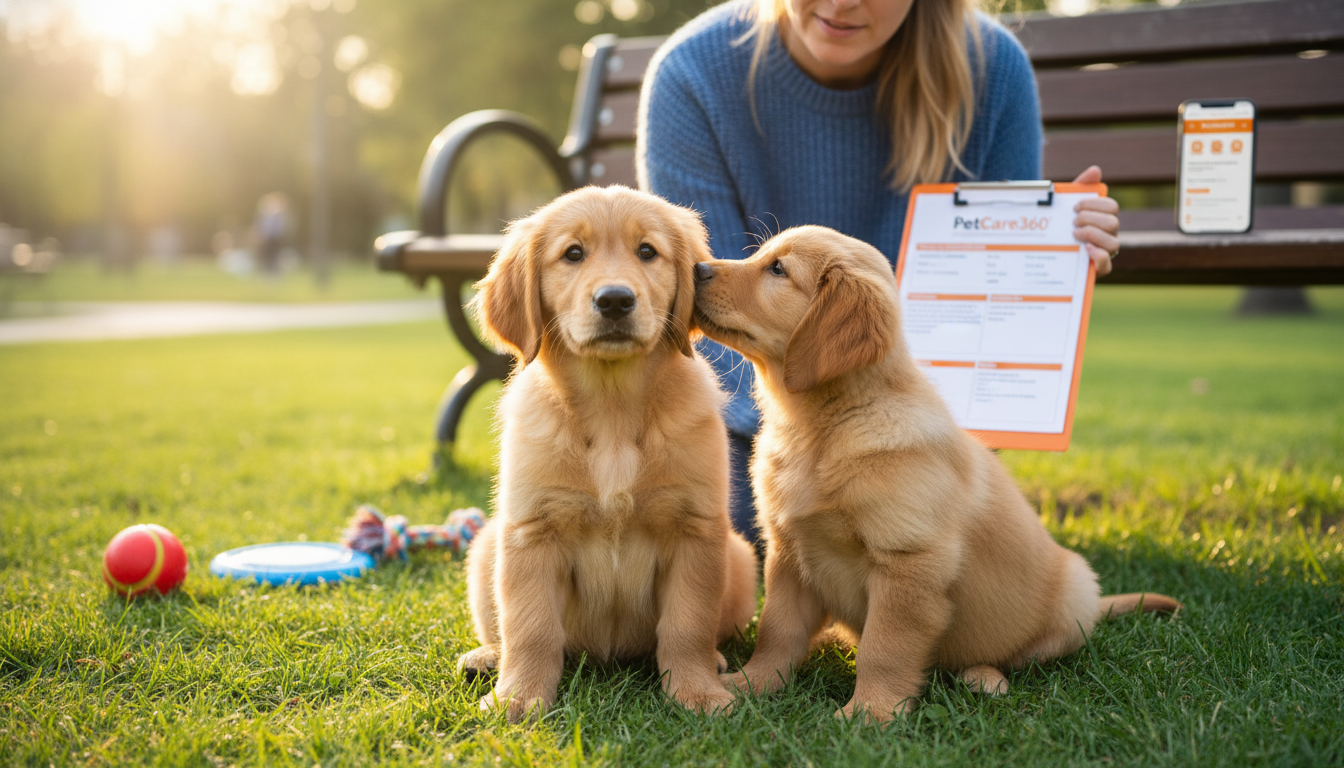
Puppy Socialization Tips: Checklist and How to Introduce Dogs to Each Other

Summary
This guide offers essential puppy socialization tips and a practical checklist to help pet owners navigate the critical socialization period. It explains how to introduce dogs to each other safely and confidently, ensuring positive interactions that foster a well-adjusted pup. Whether you are a first-time owner or a seasoned pet parent, this article provides clear steps for successful socialization. The insights shared here are vital for setting the stage for a happy, confident companion while promoting lifelong well-being.
Introduction
Using a puppy socialization checklist early in your pet’s life can transform a timid pup into a confident companion. Puppy socialization involves introducing your young dog to various people, animals, and environments during a crucial developmental stage. This introductory period, typically from 3 to 16 weeks, sets the tone for how your puppy will handle new experiences and challenges later in life. Understanding this phase is essential for creating positive behaviors and reducing fear responses as your puppy grows. Starting socialization right away benefits pet owners who want a well-mannered dog and peace of mind. The following advice explains what to expose your puppy to, when to do it, and how to handle introductions to ensure a safe and supportive environment. Continue reading for step-by-step guidance on building a strong social foundation for your furry friend.
How to Introduce Dogs to Each Other Safely
Introducing dogs to each other requires careful planning and controlled exposure to ensure both animals feel secure. It is essential to choose a neutral territory where neither dog feels territorial. Begin by allowing them to see each other from a distance, which helps gauge initial interest without overwhelming either party. This process builds a foundation of trust and minimizes any aggressive or anxious responses that might occur if the meeting happens too abruptly. Owners should observe both dogs closely as they slowly approach one another. The controlled nature of the interaction, supported by positive reinforcement, increases the likelihood of a smooth encounter. Gradually shorten the distance between the puppies as they display calm and curious behavior. If any signs of discomfort or tension arise, separate them momentarily to test again later. This careful approach ensures that each meeting fosters mutual respect and confidence.
Step-By-Step Guide to a Successful Introduction
- Neutral Meeting Spot: Arrange for the dogs to meet in a neutral location like a quiet park or a friend’s backyard. This helps decrease territorial instincts and allows both dogs to remain open to interaction without anxiety.
- Leashed Introduction: Keep both dogs leashed and at a safe distance initially. Slowly allow them to approach each other while monitoring body language and rewarding calm behavior with treats or praise.
- Short and Positive Sessions: Gradually increase the time they spend interacting, ensuring the meetings are short and filled with positive reinforcement. If either dog shows signs of stress, take a break and try again later to avoid overwhelming the animals.
By following these steps, pet owners provide a structured and safe environment for both puppies and adult dogs. This approach not only reduces the chance of conflict but also builds a lasting bond over positive shared experiences. The clear, gradual method of introductions is key to long-term success in dog socialization.
Conclusion
In summary, understanding the puppy socialization period and following a detailed socialization checklist sets the stage for a well-rounded, confident companion. The clear steps outlined for introducing dogs to each other ensure safety and positive interactions, which are crucial for lifelong behavioral stability. By following these practical tips, you help your puppy build resilience and trust in their environment. PetCare360 is launching soon! Visit petcare360.co to learn more about our services and be notified when we go live. Embrace these strategies to nurture a happy, well-adjusted pet. Taking these actionable steps now will pave the way for a future of joyful, stress-free interactions. Trust in the process and watch your puppy flourish into a social, calm, and friendly companion.




Understanding the Puppy Socialization Period
The puppy socialization period is a critical window, typically between 3 to 16 weeks of age, during which a young dog is most receptive to new experiences. During this time, every interaction—from meeting a friendly neighbor to hearing the buzz of a busy street—plays an important role in shaping their temperament. Pet owners who actively engage their puppies during this phase witness long-term benefits, including improved confidence, reduced anxiety, and better behavior in diverse situations. Exposing puppies to various settings, sounds, and people helps form a solid foundation for handling future challenges. Puppies in Toronto and beyond enjoy a range of experiences that build their social skills. During this crucial period, each new environment acts as a classroom where the pup learns trust and boundaries. Consistent exposure to different stimuli minimizes the risk of fear and aggression later. This early period lays the groundwork for a friendly and balanced pet capable of adapting easily to changes at home and in public spaces.
Why Early Socialization Shapes Your Puppy’s Future
Early socialization shapes your puppy’s future by instilling confidence and enhancing communication skills. Practical exposure during this delicate time influences behavior for years to come. A well-socialized puppy learns to cope with stress and embraces new encounters with curiosity rather than fear. The lessons learned during this period improve their strength in social interactions and build the trust necessary for positive relationships with other dogs and people.