Neighbourhood Cat Walking in Toronto: How to Find Local Cat Walkers

Summary
This post explores neighbourhood cat walking in Toronto, focusing on safe outdoor supervision for cats. It offers practical advice for pet owners on finding trusted local cat walkers who understand the unique challenges of urban environments. Readers will learn about the benefits of structured walks, key questions to ask cat walkers, and best practices for outdoor cat supervision.
Introduction
Cat walking in Toronto is a growing trend among urban pet owners seeking safe, structured outdoor experiences for their feline companions. Neighbourhood cat walking involves supervising cats as they explore outdoor spaces, providing both exercise and mental stimulation under controlled conditions. For many pet parents, it presents a valuable alternative to allowing unsupervised roaming in busy urban landscapes.
In bustling urban settings, cats can face both opportunities and challenges when venturing outdoors. Many owners worry about traffic, other animals, and unfamiliar situations, making supervised walks essential. This article will help you understand the benefits of structured cat walks, why selecting a qualified local cat walker matters, and how to ensure the best outdoor cat supervision for your furry friend.
Benefits of Neighbourhood Cat Walking for Toronto Cats
Neighbourhood cat walking offers multiple benefits that can greatly improve your cat’s quality of life. Regular walks provide essential physical exercise, helping to maintain a healthy weight and muscle tone, while also alleviating stress associated with confined indoor living.
The experience of exploring unfamiliar scents and sights increases mental stimulation, reducing boredom and anxiety, and encouraging natural feline behaviors such as stalking and climbing within a safe environment. Owners find that these structured walks contribute to a happier, more balanced pet.
Indoor life can sometimes leave cats feeling understimulated, and neighbourhood cat walking provides a controlled outdoor experience that bridges the gap between indoor safety and outdoor freedom. By exposing cats to different environments under careful supervision, the risk of dangerous encounters or getting lost decreases significantly. Parents of indoor cats have seen improvements in their pet’s mood and overall activity levels after incorporating regular, supervised walks into their routine.
This approach balances the instinctual desire to explore with the need for safety, ensuring that each walk enriches your cat’s life without exposing them to the unpredictability of uncontrolled outdoor access. Additionally, structured walks help acclimate cats to the urban environment, teaching them how to navigate sidewalks and public spaces at their own pace. The benefits extend to encouraging socialization with other pets and people, which can further enhance a cat’s confidence and adaptability. With the rising trend in neighbourhood cat walking, pet owners are now better equipped to provide a safe and stimulating outdoor experience that ultimately enriches their pet’s day-to-day life. By choosing supervised walks, you ensure a balanced mix of exercise, mental engagement, and safety all in one activity.
Finding a Local Cat Walker in Toronto You Can Trust
Locating a local cat walker that Toronto pet owners can rely on requires a careful approach that prioritizes transparency, experience, and clear communication. When considering a cat walker, start by researching individuals with a demonstrated history of working with cats in urban settings. Online reviews, referrals, and initial meet-and-greet sessions are crucial in assessing if a candidate understands both feline behavior and urban environment challenges.
It is essential that your chosen walker offers not only safety but also enthusiasm and empathy, ensuring that every outing is a positive and enriching experience for your cat. It is a good idea to ask potential cat walkers a series of detailed questions to gauge their suitability. Begin by asking how they manage emergencies or unpredictable situations, and inquire about their experience with cats who may be nervous or prone to stress. Understanding their approach to handling urban hazards such as traffic or noisy neighborhoods will also offer insight into their preparedness.
Additionally, discussing scheduling flexibility, backup plans, and communication practices can help build your confidence that your cat is in capable hands. Engaging with a local cat walker also means clarifying expectations—for example, the type of harness they use, the length of the walk, and the route planning based on neighbourhood safety. Look for walkers who proactively share updates and photos, and who ask for feedback after each session. These details reflect a commitment to safety and customization for your pet’s unique needs. Ultimately, the goal is to find a walker who demonstrates reliability, expertise, and genuine care for the well-being of your cat in any urban setting.
Best Practices for Outdoor Cat Supervision During Walks
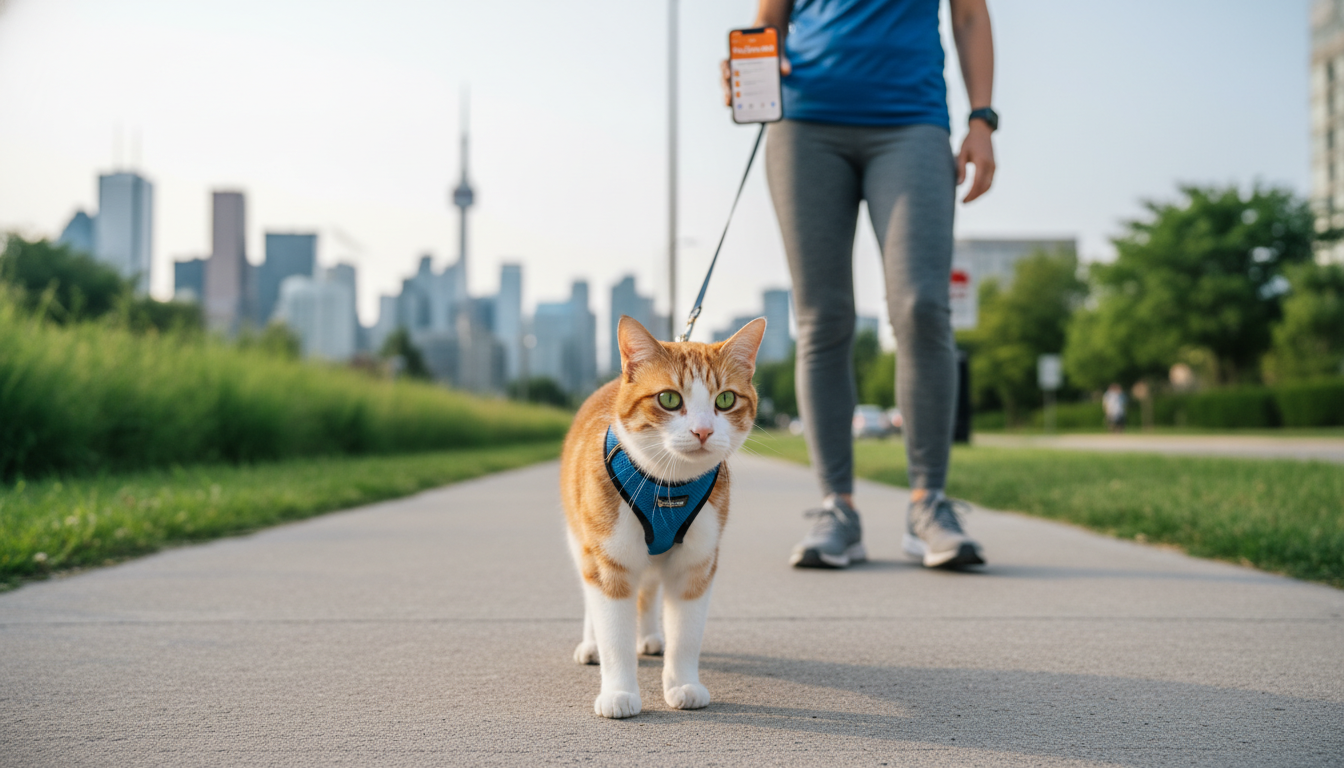
Effective outdoor cat supervision demands careful planning and an understanding of both your cat’s needs and the inherent challenges of urban environments. One key best practice is the proper use of a leash and harness designed specifically for cats, ensuring both comfort and security during walks. A securely fitted harness prevents escape while allowing your cat enough freedom to explore their surroundings.
In addition, planning routes that are safe, quiet, and free of heavy traffic enhances the overall experience, allowing your cat to enjoy the environment without unnecessary stress. Monitoring your cat’s body language is crucial during each walk. Signs of anxiety, such as flattened ears or excessive crouching, indicate that it might be time to take a break or change routes.
Additionally, weather conditions play a significant role in cat walking practices in Toronto; extreme heat, cold, or sudden weather changes require that you adjust the walk’s duration or reschedule entirely. By carefully planning and adapting your routes based on daily conditions, you maintain a balanced approach to outdoor supervision that prioritizes your pet’s well-being.
Beyond equipment and route planning, establishing a routine can have long-term benefits. Consistent schedules help your cat become accustomed to regular outdoor time, reducing stress and building confidence over time. It is also beneficial to plan for extra care during peak times of urban activity, ensuring that your cat receives the necessary attention when distractions multiply. This proactive approach not only improves your cat’s overall quality of life but also strengthens the trust and communication between you and your cat walker. Adopting these best practices ensures that each outdoor adventure supports your cat’s physical and mental health while keeping them secure in varied urban landscapes.
Conclusion
In conclusion, neighbourhood cat walking offers a unique, enriching experience for urban cat owners who want to ensure that their pets enjoy safe, supervised outdoor time. The benefits of structured walks, from improved fitness and mental stimulation to reduced safety risks, make this approach a valuable addition to your pet care routine.
Selecting a trusted, local cat walker involves asking the right questions and setting clear expectations for outdoor cat supervision. PetCare360 is launching soon! Visit petcare360.co to learn more about our services and be notified when we go live. With these insights, you are better prepared to enrich your cat’s life with secure and fulfilling outdoor experiences.