Senior Dog Care Toronto: Essential Tips for How to Care for an Elderly Dog

Summary
This guide covers essential aspects of senior dog care in Toronto with a focus on how to care for an elderly dog, adapting daily walks, and practical old dog care tips. It explains common challenges aging pets face and provides actionable advice to improve your senior dog’s quality of life, making it a must-read for Toronto pet owners.
Introduction
Elderly dog care plays a crucial role for Toronto pet owners managing the unique challenges of aging dogs. This guide is designed for those who have seen their once-energetic dogs transition into a more sedate stage of life, offering insights on how to care for an elderly dog effectively while addressing both physical and behavioral changes.
As dogs age, their needs evolve, making informed decisions about nutrition, mobility support, and daily routines essential. With trusted guidance rooted in practical experience and supported by reliable services like those found on PetCare360, readers will discover proven strategies to enhance their senior pet’s everyday comfort and vitality.
Drawing from both expert advice and real-life experiences, this article empowers pet owners to identify signs of aging, modify walking routines for safety, and adopt caring habits that cater specifically to their elderly companions. The insights provided here aim to boost your confidence in managing the later stages of your dog’s life while ensuring they continue to enjoy quality, happy moments. Read on to explore detailed tips and thoughtful recommendations that blend care with compassion.
Understanding the Needs of Elderly Dogs
Understanding the evolving needs of your aging pet is essential for proper elderly dog care. As dogs grow older, they often experience distinct physical and behavioral changes that call for adjustments in their care routine. Recognizing the early signs of aging such as reduced energy, stiffness in joints, or difficulty in maintaining balance can help you intervene promptly.
It is common for senior dogs to show behaviors like increased sleeping, minor incontinence, and less interest in vigorous play. These changes indicate that a tailored approach to their daily regime is necessary to preserve their quality of life. Regular veterinary check-ups gain more importance during this stage, as issues like arthritis, vision or hearing loss, and cognitive decline become prevalent.
Pet owners must be proactive in adjusting exercise routines and dietary plans to meet these emerging needs. Being mindful of subtle signals like hesitation when climbing stairs or a reluctance to jump onto furniture can make a significant difference in ensuring your pet receives timely intervention. When you understand the physiological and emotional shifts in senior dogs, it becomes easier to manage their care with empathy and precision.
Detailed observation coupled with appropriate professional advice lays the groundwork for a healthy transition into the golden years for your pet. This proactive approach to elderly dog care not only enhances their comfort but also deepens the bond you share throughout their twilight years.
Adapting Senior Dog Walking for Comfort and Safety
Senior dog walking requires careful attention to ensure your pet remains safe and comfortable during daily outings. As dogs age, their exercise needs change due to factors like decreased stamina and joint sensitivity. Adjusting the walking routine to include shorter distances and a slower pace helps minimize fatigue and stress.
It is important to monitor your dog’s movement patterns closely; noticing signs like pausing frequently or walking in a sideways motion may indicate pain or discomfort. By gradually modifying the exercise routine, you provide your senior dog with the space to enjoy physical activity without the usual strain of longer walks.
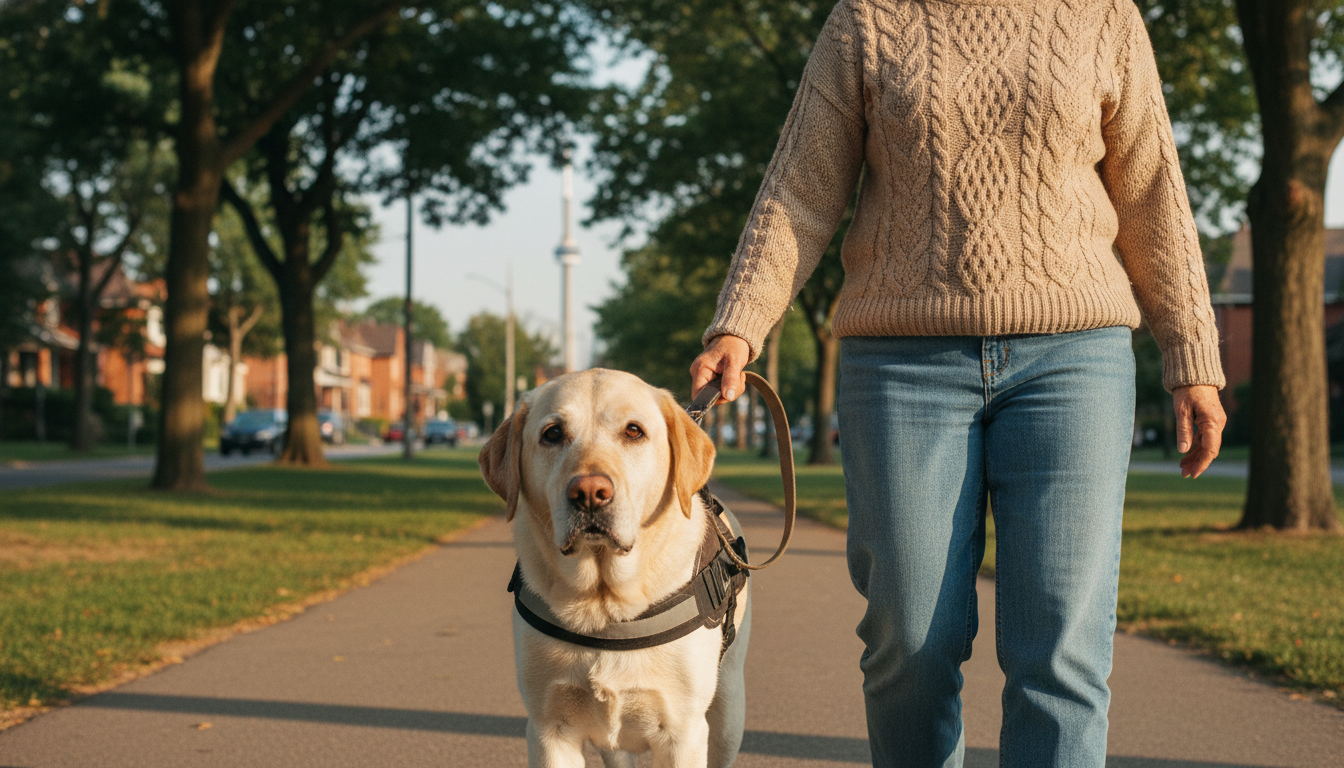
A well-adapted walking routine should emphasize gentle movement and allow for multiple breaks. Consider integrating walking aids, such as a supportive harness or a specially designed walking belt, to enhance stability and reduce the risk of falls. By observing subtle behavior changes during walks, you can better understand when to slow down or stop altogether, ensuring safety.
Additionally, the environment plays a crucial role in senior dog walking; quieter routes with fewer distractions and obstacles enable a more relaxed experience. The goal is to maintain an atmosphere of calm while keeping your pet active and engaged, ultimately contributing to overall health and longevity. This careful approach underscores the importance of senior dog walking as a key element of elderly dog care in Toronto.
Practical Old Dog Care Tips for Daily Life
Practical old dog care tips help you manage your aging pet’s daily needs with confidence and compassion. Adjusting routines to incorporate gentle physical activities, specialized nutrition, and environmental modifications can greatly enhance the comfort of an elderly dog.
Establishing a peaceful, clutter-free space at home can reduce anxiety and support better movement, making everyday tasks less strenuous. Simple measures such as using orthopedic beds, non-slip rugs, and easy-access food and water bowls provide an immediate boost to your pet’s quality of life.
By integrating these thoughtful adjustments, you ensure that every day remains comfortable and engaging for your senior dog. Nutritional needs also change as dogs age, and providing a balanced diet rich in proteins and essential vitamins is key. Regular feeding schedules and smaller, more frequent meals ease the digestive process and help manage weight, which is often a concern with reduced mobility.
Incontinence management becomes crucial during the senior years; gentle cleaning routines and specially designed pads or doggy diapers can help maintain a clean, stress-free environment. Additionally, engaging in mild exercises that encourage movement without strain, like short walks and gentle play, can stimulate mental and physical health.
These practical old dog care tips are vital for preserving dignity and comfort in the later stages of your pet’s life, ensuring that each day feels as fulfilling as possible.
Conclusion
In summary, understanding the unique needs of elderly dogs is critical for ensuring they receive the specialized care required in their golden years. Recognizing signs of aging, adapting walking routines for safety, and incorporating practical old dog care tips can significantly enhance your pet’s quality of life.
This guide emphasizes that attentive care and simple adjustments are key to keeping your senior companion healthy and happy. Toronto pet owners can benefit from these insights and consider exploring dedicated services for elderly dog care through platforms like PetCare360. Explore detailed resources on senior dog care and walking tips to support your elderly pet’s health and happiness.